Menopause And Urinary System Incontinence
@trevornapu169
The Link In Between Menopause And Urinary Incontinence: An Organized Evaluation
She or he will certainly also ask you great deals of inquiries about exactly how and when you leak, which will certainly help establish the sort of urinary incontinence you might have. Learn more about perimenopause and how to avoid and deal with bladder leaks during perimenopause in this short article. These include topical estrogen, alpha blockers, mirabegron, and anticholinergics. The exact nature of the organization between menopause and UI remains not completely clarified.
Does Hormonal Agent Treatment Assist With Urinary Incontinence?
The typical age for menopause is years old, so signs and symptoms might begin as quickly as your very early 40s. You might discover that way of life adjustments alone aren't sufficient to totally resolve urinary incontinence. Keep a diary of your signs, any triggers that make incontinence worse, and the severity of your signs. Menopause is the end of a woman's fertility and is marked as 12 consecutive months without a duration, but you could experience signs and symptoms for months or perhaps years before you reach that 12-month turning point.- Your pelvic flooring muscles suspend your bladder and anus like a hammock.
- This study intends to systematically review the existing literature on the relationship between menopause and UI to supply a thorough understanding of how these 2 conditions are interconnected.
- Your physician might also prescribe a urethral insert, a small disposable tool that you can put right into your urethra to plug leakage.
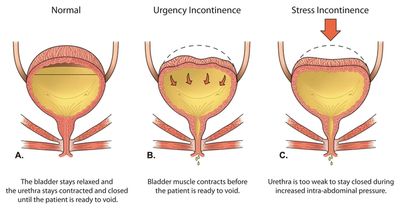
- One of the most usual sorts of urinary incontinence are stress and anxiety incontinence and urge incontinence.
Hormonal Agent Therapy
As females get in and proceed via menopause, their bodies undergo hormonal modifications, one of the most dramatic being a decline in the manufacturing of estrogen (the woman sex hormone). This drop in estrogen degrees can make it tough for women to keep a healthy and balanced urinary tract. Particular medicines may help in reducing signs and symptoms of urge incontinence and over active bladder by loosening up the bladder muscular tissues or reducing bladder spasms.Can Testosterone Cause Urinary Problems In Men?
Ladies have distinct health and wellness events, such as maternity, giving birth, and menopause, that might impact the urinary system tract and the bordering muscles. The pelvic floor muscles that sustain the bladder, urethra, womb (womb), and bowels may end up being weak or harmed. When the muscle mass that sustain the urinary tract are weak, the muscle mass in the urinary system tract need to work more difficult to hold pee until you are ready to pee. This added stress and anxiety or pressure on the bladder and urethra can cause urinary incontinence or leakage. Urinary system incontinence is the spontaneous loss of bladder control, implying urine leakages when you do not plan it to. It can range from periodic light leakage when coughing or sneezing to an abrupt, intense desire to urinate that's difficult to manage.Most of the time this uncontrolled leakage is a few declines of pee, but it can come to be a full loss of control. Hormonal agents play a critical function in eliminating waste with the urinary system tract and controling body organ function. Changes in hormonal agent degrees can affect the bladder, muscular tissues, and nerves associated with peeing. These shifts may result in urinary system infections More help (UTIs), urinary incontinence, or urinary system regularity.
For example, estrogen assists maintain the bladder and urinary system tract cells healthy and balanced, keeping a flexible quality that promotes typical feature. Throughout menopause, the decrease in estrogen triggers these cells to slim and deteriorate. Gradually, these adjustments make it more challenging to regulate urine flow, increasing the risk of pee leakage or incontinence. Individuals regularly ask if variations in male hormones impact their washroom behaviors, and the solution is of course. Changes in testosterone degrees can create significant urinary system troubles in males as they age.At Noom, we're devoted to providing health information that's grounded in trustworthy science and professional review. Our web content is developed with the assistance of qualified experts and based upon reputable research from trusted clinical and scientific companies. Learn more about the experts behind The original source our material on our Health and wellness Professional Group page. As you age, your bladder sheds its capacity to expand, which indicates the bladder fills often, and it comes to be more difficult to press the muscular tissues to clear the bladder completely. Talk with your doctor if you suspect your medicine is causing you issues. The root cause of perimenopause is the subsiding of ovarian feature and your ovaries generating less estrogen and testosterone.